

Physiotherapy

Physiotherapy - what is it?
Physiotherapy is a form of therapy supporting the restoration of proper body function. It helps reduce pain, improve mobility and increase the comfort of daily life.
At Centrum Zdrowia Biomed, we precede every therapy with a detailed interview and functional assessment. This allows us to select a course of action tailored to the individual needs of the patient, their ailments and the body's capabilities.
We work with people after injuries and overloads, as well as with patients struggling with chronic tension, headaches, jaw problems or ailments that worsen under stress.
How does physiotherapy help?
Pain reduction
Therapy can support the reduction of pain related to overloads, muscle tension and mobility limitations.
Improved mobility
Helps increase the range of motion of joints and improve the elasticity of muscles and tissues.
Return to fitness
Supports the process of returning to daily activities after injuries, overloads and procedures.
What problems do patients most commonly present with?
Headaches and migraines
Tension in the muscles of the neck, cervical area and shoulder girdle can influence the occurrence of headaches. During therapy, we assess possible sources of overload and select appropriate treatment.
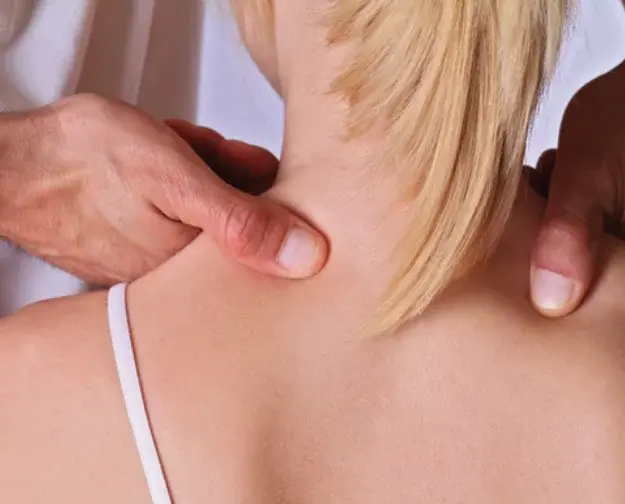
Neck, cervical and shoulder tension
Prolonged computer work, stress and daily overloads can lead to stiffness, limited mobility and discomfort.
Jaw clenching and bruxism
Problems in the temporomandibular joint area often coexist with muscle tension. Therapy can support the improvement of function and reduction of discomfort.
Spinal pain
In both the cervical, thoracic and lumbar sections. The therapy plan is tailored individually to the type and cause of the ailment.
Chronic tension and body overload
A feeling of constant tension, difficulty relaxing, muscle tension or fatigue can affect daily functioning and well-being.
Support for orthodontic and dental therapy
Physiotherapy can complement orthodontic treatment and therapy for temporomandibular joint disorders.
Physiotherapy is not just pain treatment
Not every ailment results solely from an injury or overload of a specific muscle or joint. The body functions as a whole, which is why during therapy we also pay attention to factors that may influence the persistence of the problem.
We pay special attention to people who:
- experience chronic muscle tension,
- struggle with frequent headaches,
- have difficulty relaxing despite rest,
- clench their teeth or feel jaw tension,
- observe worsening of ailments during periods of increased stress,
- are looking for an individual approach to their health problems.
Who is physiotherapy for?
People of different ages and at different stages of life can benefit from physiotherapy.
Most commonly they are patients:
- with spinal, joint and muscle pain,
- after injuries or overloads,
- suffering from headaches and migraines,
- with neck, shoulder and jaw tension,
- with mobility limitations,
- wanting to improve the comfort of daily functioning,
- seeking support for ailments related to chronic stress.
What does the first visit look like?
The first visit begins with a conversation about ailments, health history and daily functioning.
Then a functional assessment is performed, which allows for a better understanding of the causes of the problem and selecting the appropriate course of action.
Based on the collected information, an individual therapy plan is established, tailored to the patient's needs.

Meet your physiotherapist
Beata Latos is a physiotherapist with over 20 years of professional experience.
She specialises in neurological, orthopaedic therapy and working with patients struggling with chronic body tension, headaches, migraines and problems in the temporomandibular joint area.
In her work, she uses various therapeutic methods, selecting them individually to the patient's needs.
The most important element of every therapy for her is attentive listening to the patient and searching for the causes of ailments, not just alleviating symptoms.
Frequently asked questions
Can physiotherapy help with headaches and migraines?
+
Headaches can have various causes, so each situation requires individual assessment. In some cases, the ailments may be related to tension in the muscles of the neck, cervical area, shoulders or jaw area. During the visit, we analyse possible sources of the problem and select appropriate treatment.
Does physiotherapy help with neck and shoulder tension?
+
Yes, many people present with complaints related to chronic muscle tension resulting from sedentary work, stress or overloads. The goal of therapy is to improve mobility, reduce tension and increase the comfort of daily functioning.
Can physiotherapy support people who clench their teeth or suffer from bruxism?
+
Problems related to the temporomandibular joint, teeth clenching or facial muscle tension often require a comprehensive approach. Physiotherapy can be a supporting element of treatment and improvement of function in this area.
Can stress affect muscle tension and pain?
+
Long-term stress can affect the way the body functions, including muscle tension, sleep quality and pain perception. During the visit, we take into account all factors that may be relevant to the patient's well-being and ailments.
What does the first visit look like?
+
The first visit begins with a detailed interview about ailments, health status and daily functioning. Then a functional assessment is performed and an individual therapy plan is established.
Is therapy performed during the first visit?
+
In most cases, yes. If there are no contraindications, after conducting the interview and functional assessment, therapy tailored to the patient's needs is commenced.
How many visits may be needed?
+
The number of visits depends on the type of ailment, its duration and the individual response of the body to therapy. During the first meeting, we discuss a possible treatment plan.
Is physiotherapy only suitable for people after injuries?
+
No. Physiotherapy is also used by people struggling with chronic headaches, muscle tension, mobility limitations, jaw problems or ailments that worsen under stress.
Do I need a referral for a visit?
+
No. You can book a physiotherapy consultation without a referral.
How to prepare for a visit?
+
It is advisable to bring medical documentation related to the reported problem, if available. We recommend comfortable clothing that allows for free assessment of movement and posture.
Centrum Zdrowia Biomed
Book physiotherapy
Contact us to choose the right therapy for your needs, or book a visit directly through our website.
/Information
Physiotherapy is supportive in nature and does not replace medical consultation or diagnosis. The therapy plan is tailored individually.
Related therapies

Next step
Start with a consultation.
Let's talk about symptoms, questions, and health goals. Together we will choose the right diagnostics or therapy.